Third Party vs Comprehensive Car Insurance in India: Which Is Better?
Understand the difference between third party and comprehensive car insurance in India, including coverage, benefits, limitations, cost factors and how to choose the right policy.

Third Party vs Comprehensive Car Insurance in India: Which Is Better?
Choosing the right car insurance policy can be confusing, especially when you see different types of insurance and coverage options.
Two commonly discussed options are third party insurance and comprehensive insurance.
Although both are types of vehicle insurance, they provide different levels of protection.
Understanding the difference can help you make a more informed decision when purchasing or renewing your car insurance.
What Is Third Party Car Insurance?
Third party insurance is designed to cover certain liabilities arising from damage or injury caused to another person or their property by the insured vehicle, according to the terms of the policy.
It is different from insurance that covers damage to your own vehicle.
Third party insurance is therefore mainly focused on liability towards others rather than providing broad protection for the insured vehicle itself.
What Is Comprehensive Car Insurance?
Comprehensive car insurance generally provides broader protection than a third party-only policy.
Depending on the policy terms, it may provide coverage for damage to the insured vehicle as well as third party liabilities.
The exact coverage, exclusions, deductibles and add-ons depend on the insurance policy and insurer.
This is why you should always read the policy details before purchasing or renewing insurance.
Third Party vs Comprehensive Insurance
The main difference is the scope of coverage.
Third Party Insurance
Third party insurance primarily focuses on eligible third party liabilities.
It can be suitable for vehicle owners who want the required third party protection without choosing broader own-damage coverage.
Comprehensive Insurance
Comprehensive insurance can provide wider protection because it may include coverage for the insured vehicle in addition to third party liability, depending on the policy.
It can therefore be considered by vehicle owners who want broader protection for their vehicle.
Which Insurance Is Better?
There is no single answer that is suitable for every vehicle owner.
The better option depends on factors such as:
- Vehicle age
- Vehicle value
- How frequently the vehicle is used
- Where the vehicle is driven
- Desired level of protection
- Policy premium
- Deductibles
- Available add-ons
- Individual requirements
A vehicle owner should compare the coverage and policy terms instead of choosing a policy based only on its price.
Is Comprehensive Insurance More Expensive?
A comprehensive policy may cost more than a third party-only policy because it can provide broader coverage.
However, the actual premium depends on several factors and varies between vehicles, insurers and policies.
When comparing policies, don't look only at the premium.
Check the coverage, exclusions, deductibles, add-ons and other terms as well.
What Does Third Party Insurance Cover?
Third party insurance generally relates to eligible liabilities involving another person or their property, subject to the applicable policy terms.
The exact scope of coverage should always be confirmed from the insurance policy and insurer.
It is important to understand that third party insurance is not the same as comprehensive insurance and does not automatically mean that every type of damage to your own vehicle is covered.
What Does Comprehensive Insurance Cover?
Depending on the policy, comprehensive insurance may include:
- Third party liability coverage
- Damage to the insured vehicle
- Certain accidental damages
- Certain risks covered under the policy
- Optional add-on protections
Coverage varies between insurers and policies.
Always check the policy wording to understand what is included and excluded.
What Are Insurance Add-Ons?
Insurance add-ons are optional protections that may be available with certain policies for an additional premium.
Examples can include protections related to specific risks or additional assistance.
Not every add-on is useful for every vehicle.
Before purchasing an add-on, check what it covers, what it costs and whether it is relevant to your vehicle.
Should I Choose Third Party or Comprehensive Insurance for an Old Car?
For an older vehicle, the decision depends on the vehicle's current value, usage and the level of protection you want.
Some owners may prefer a simpler third party policy, while others may still want broader protection for their vehicle.
Consider the vehicle's value and the potential cost of repairing or replacing it before making your decision.
Should I Choose Comprehensive Insurance for a New Car?
A new or higher-value vehicle may make broader insurance protection more attractive to some owners.
However, the right choice still depends on your individual requirements and the policy terms.
Compare the available options and understand the coverage before purchasing.
What Should I Check Before Buying Car Insurance?
Before purchasing a policy, check:
- Type of insurance
- Policy coverage
- Policy exclusions
- Deductibles
- Premium
- Insured declared value where applicable
- Available add-ons
- Claim-related conditions
- Policy duration
- Insurer details
Do not choose a policy simply because it has the lowest premium.
How Can I Check My Existing Car Insurance?
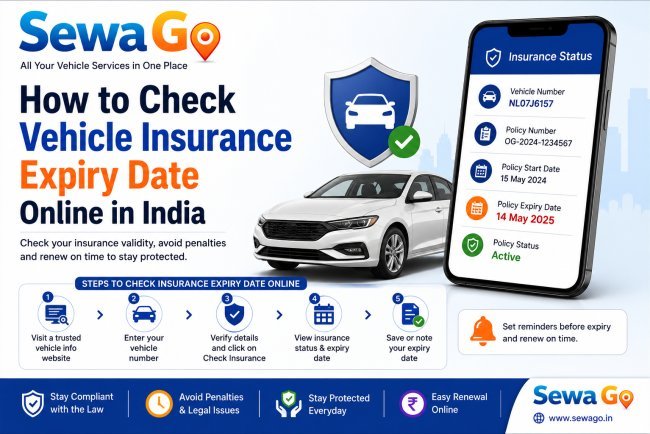
If you already have a vehicle insurance policy, check your policy document for the insurance company, policy number, start date and expiry date.
You can also use supported online vehicle information services to check available insurance-related records.
If there is a difference between online information and your policy document, contact your insurer and ask them to verify the information.
What If My Insurance Is About to Expire?
Don't wait until the policy has already expired.
Check the expiry date in advance and start comparing your renewal options.
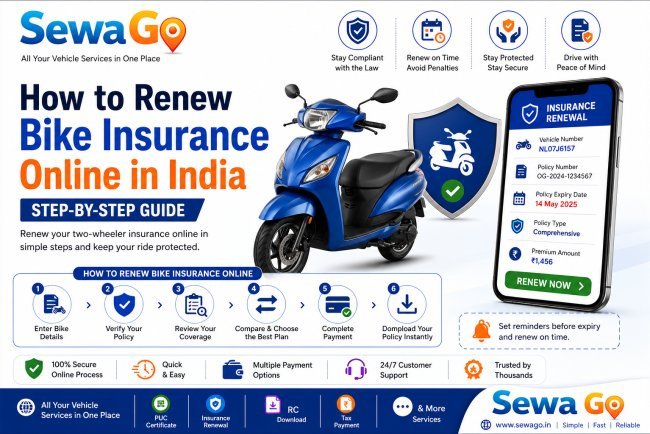
Renewing on time can help you avoid an unnecessary gap in your insurance coverage.
You can also set a reminder on your phone or calendar before the expiry date.
Check Vehicle Insurance Services With SewaGo
Managing vehicle documents can become difficult when you have multiple documents with different expiry dates.
SewaGo helps vehicle owners access convenient vehicle-related services online, making it easier to manage important vehicle service requirements.
Whether you are checking vehicle documents or looking for assistance with vehicle-related services, SewaGo can help you get started.
Before making an insurance decision, always verify the policy details with the insurance provider.
Frequently Asked Questions
What is the difference between third party and comprehensive car insurance?
Third party insurance primarily focuses on eligible liabilities towards third parties, while comprehensive insurance can provide broader protection that may also include damage to the insured vehicle, depending on the policy.
Is comprehensive insurance better than third party insurance?
Not necessarily for everyone. Comprehensive insurance offers broader protection, but the right choice depends on the vehicle, usage, budget and coverage requirements.
Is third party insurance cheaper?
Third party-only insurance can generally have a lower premium than broader insurance coverage, but the actual cost depends on the applicable rates and circumstances.
Does comprehensive insurance cover third party liability?
A comprehensive vehicle insurance policy generally includes third party liability coverage along with additional coverage, subject to the specific policy terms.
Does third party insurance cover damage to my own car?
Third party insurance primarily addresses eligible third party liabilities. Damage to your own vehicle is not automatically covered under a third party-only policy.
Should I buy comprehensive insurance for an old car?
It depends on the vehicle's value, usage, repair costs and the level of protection you want. Compare the available coverage before deciding.
How do I choose the right car insurance?
Compare the coverage, exclusions, premium, deductibles, add-ons and policy conditions, and choose the option that best matches your requirements.
Final Thoughts
Third party and comprehensive insurance serve different purposes.
Third party insurance focuses primarily on eligible third party liabilities, while comprehensive insurance can offer broader protection depending on the policy.
Before buying or renewing car insurance, understand the coverage instead of choosing a policy based only on price.
Keep your policy details and expiry date recorded, and review your insurance before it expires.
For the latest policy terms, coverage conditions and applicable requirements, always verify the information with your insurance provider and relevant official sources.
What's Your Reaction?